
How to Prevent Overfill at Fuel Stations
Overfilling increases risk of spills, fire and environmental damage. This article explains why traditional methods fall short and how real-time monitoring and alarms make a critical difference.
April 25, 2026 · Fimtek Product Team
Why overfill is dangerous
Exceeding tank capacity can lead to spills, environmental contamination and fire. Even small delays during large transfers can produce irreversible damage.
- Exceeding tank capacity — spill, fire and environmental hazard
- Manual level monitoring during filling — human error is inevitable
- Slow personnel response when a critical threshold is reached
- Inability to track which tank is at a critical level in multi-tank facilities
- Difficulty auditing incidents without real-time data
Why common methods fall short
Traditional gauges and manual checks are error-prone. Filtering or averaging can introduce delays; if a threshold isn't reacted to immediately, incidents escalate.
How the Fimtek solution works
Fimrod sensors mounted on each tank provide millimetric level measurements. Data is sent in real time to the Fim7L, which monitors two configured thresholds: a high-level warning and an overfill alarm. When exceeded, the alarm unit emits audible and visual alerts; the operator acknowledges the alarm and stops filling.
- Millimetric Level Monitoring — The Fimrod sensor connected to each tank transmits the fuel level to Fim7L in real time with millimetric accuracy. Raw data is processed directly without a wave-filtering delay.
- Critical Threshold Definition — Two thresholds are configured in Fim7L for each tank: High Level Warning (e.g. 1800 mm) and Overfill Alarm (e.g. 1900 mm). Up to 16 tanks can be connected.
- Audible & Visual Alert — When the threshold is exceeded, the alarm unit near the filling area activates with sound and light. Personnel must stop filling immediately.
- Alarm Acknowledgement — After stopping the fill, the operator presses the button on the alarm unit to silence the alarm. The tank remains above the critical level; the alarm is active but silenced.
- Moving to the Next Tank — The same alarm unit monitors all tanks. Once one alarm is silenced, filling can move to the next tank and the same process applies.
Which equipment is used
The deployment centers around three components: Fimrod level sensors, the Fim7L controller and the outdoor alarm unit. Together they provide real-time, reliable overfill protection.
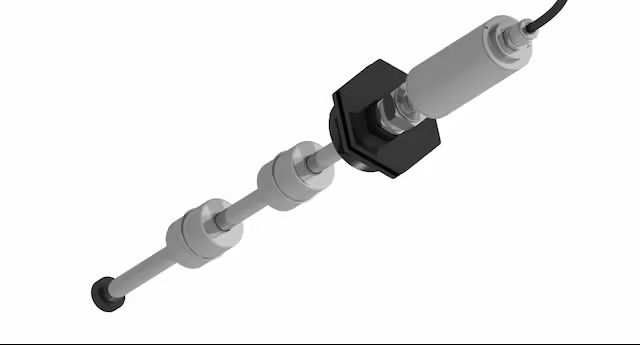
Fimrod Level Sensor
Capacitive/magnetic level sensor mounted in each tank. Generates real-time level data with millimetric accuracy and transmits to Fim7L via cable.
View product →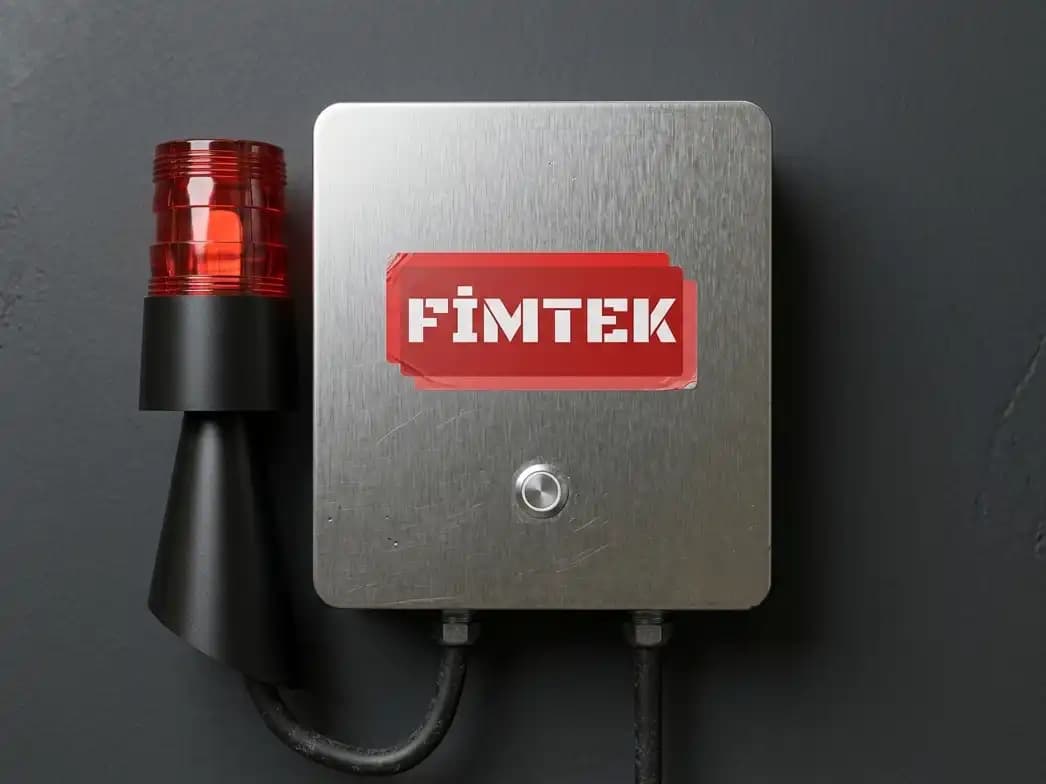
Overfill Alarm Unit
IP67-rated outdoor audible & visual alarm unit positioned near the filling area. The on-unit button silences the alarm after acknowledgement.
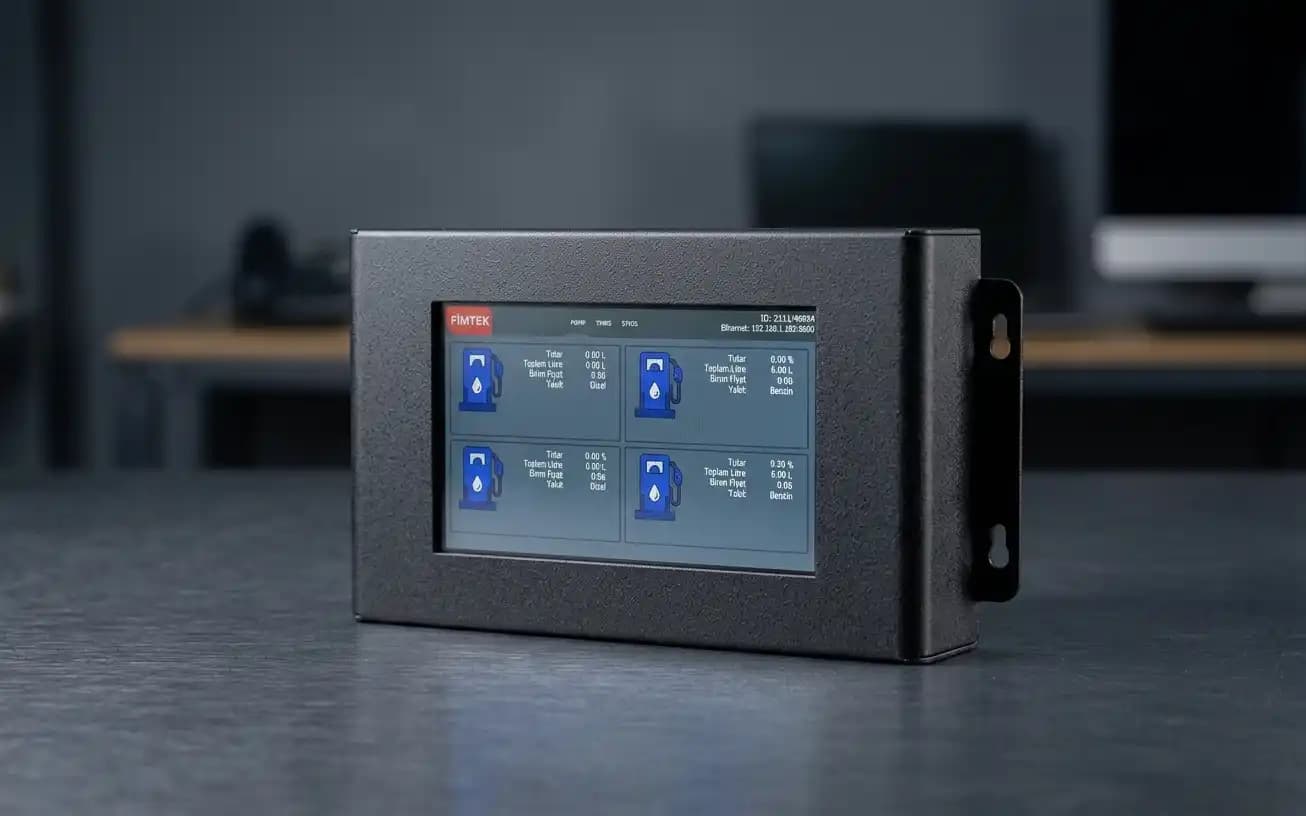
Fim7L Forecourt Controller
Central console managing sensor connections for up to 16 tanks. Offers complete integrated monitoring with a 7" display, 2 relays, TCP Modbus and built-in web server.
View product →Why real-time alarm is necessary
Delayed data or manual intervention can magnify an incident. Real-time records and instant alerts enable immediate action and provide trustworthy data for post-event analysis.
- Designed for industrial use.
- 24/7 operational infrastructure.
- Suitable for critical field conditions (IP67 etc.).
- Easy integration via Modbus and web access.
To reduce overfill risks, combine real-time level measurement, threshold-based alerts and an external alarm unit. The Fimtek solution delivers an industrial-grade, reliable approach.